vanderbilt library masterplan
nashville, tennessee
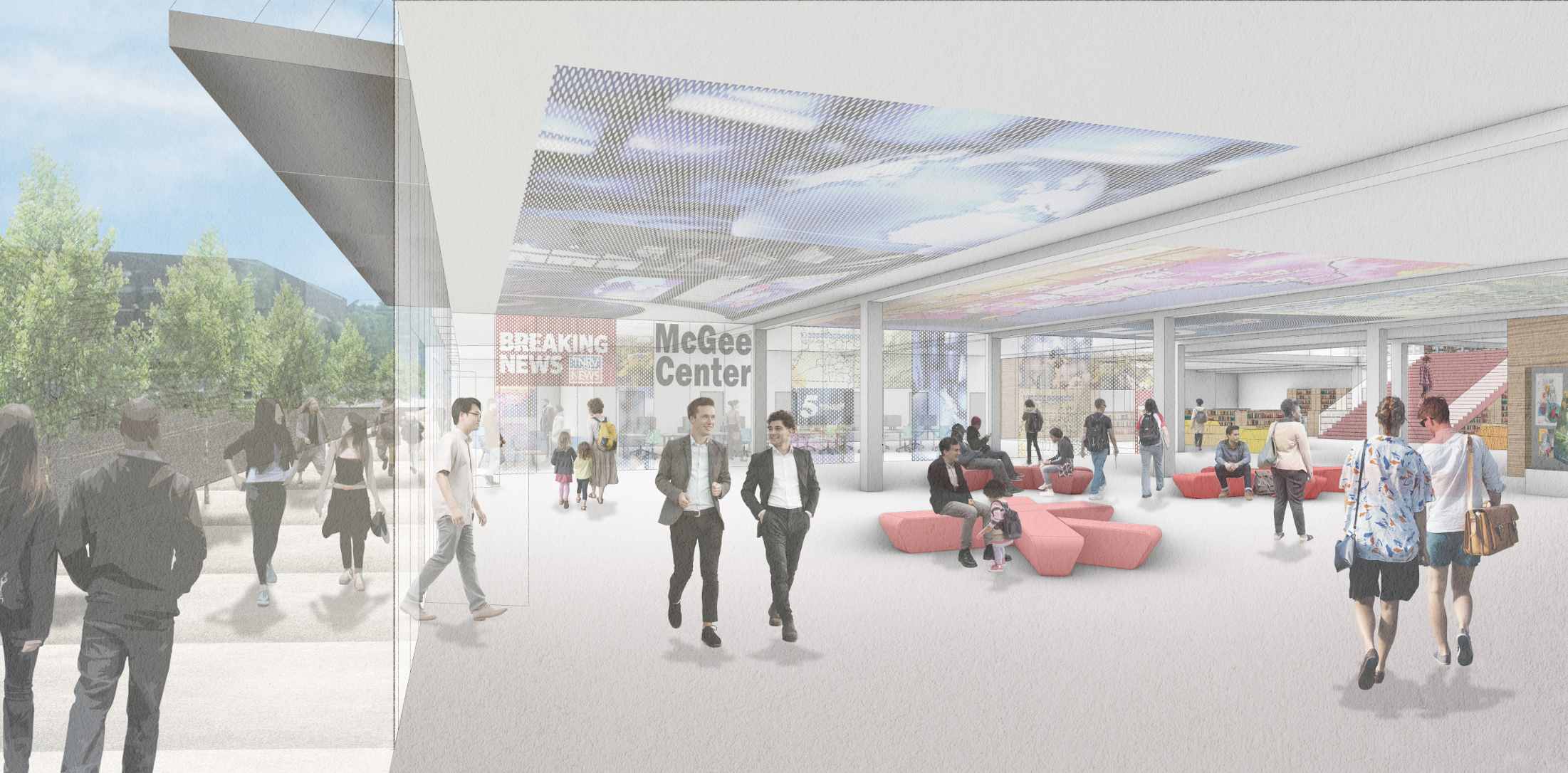
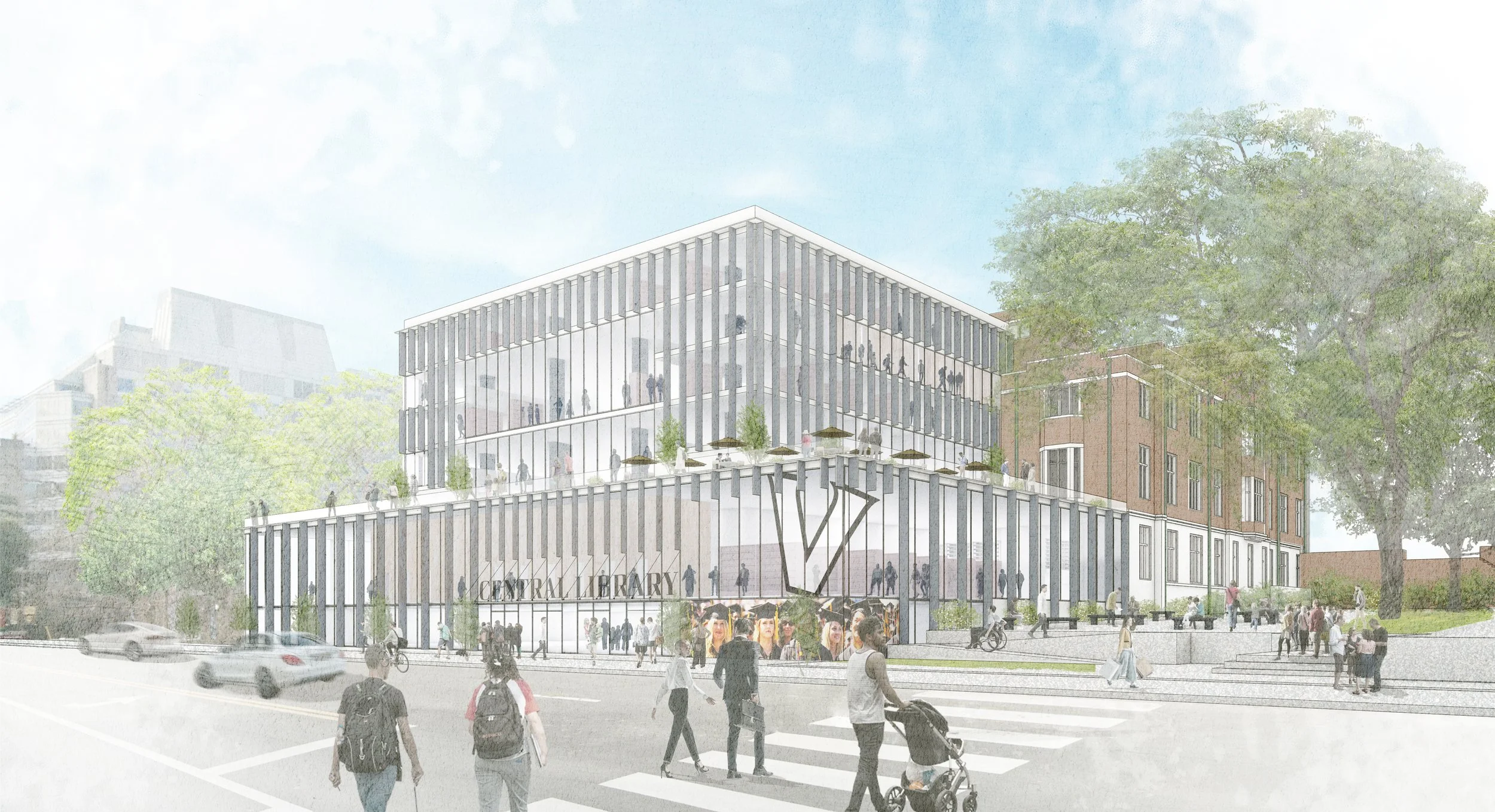
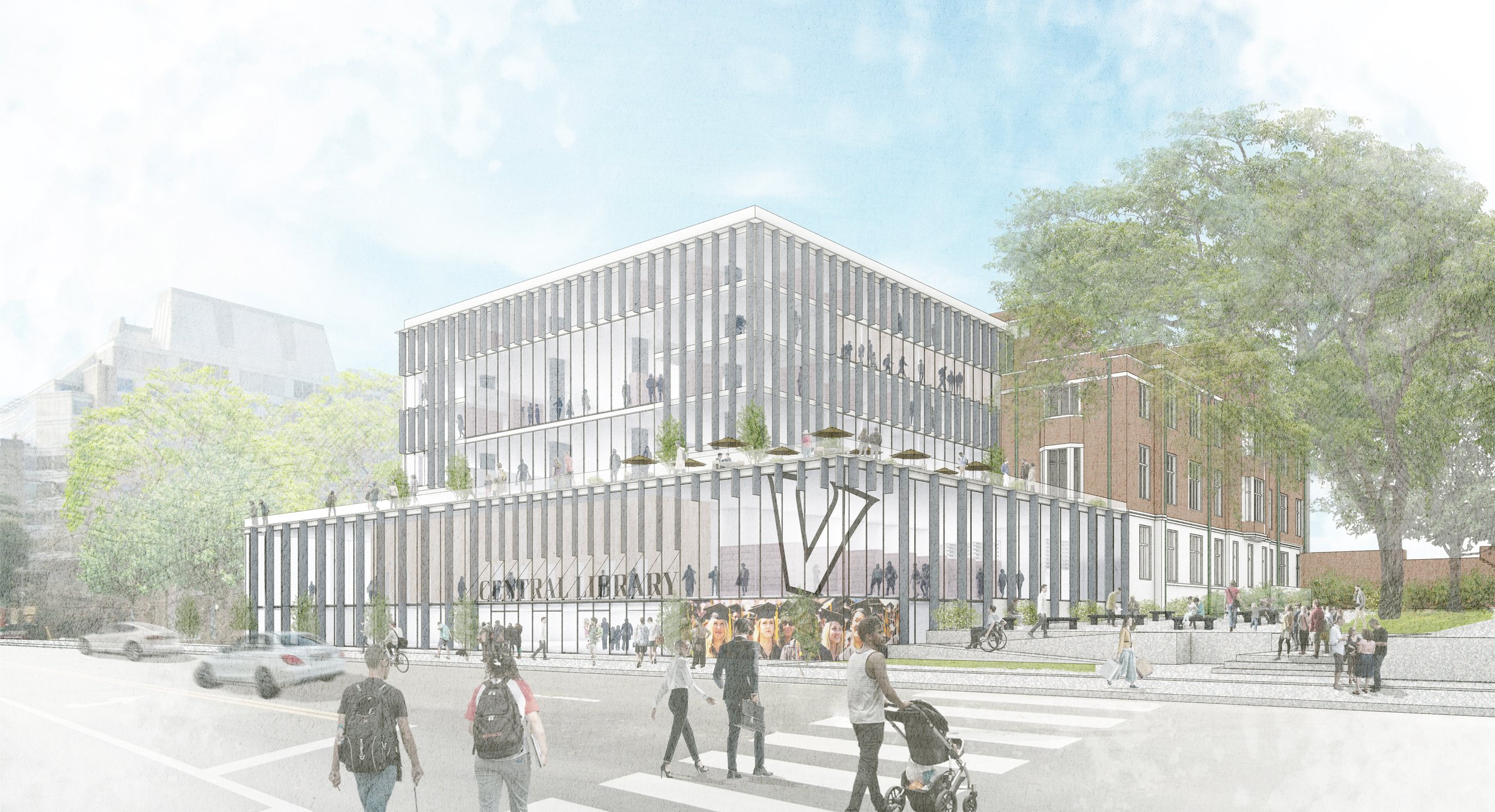
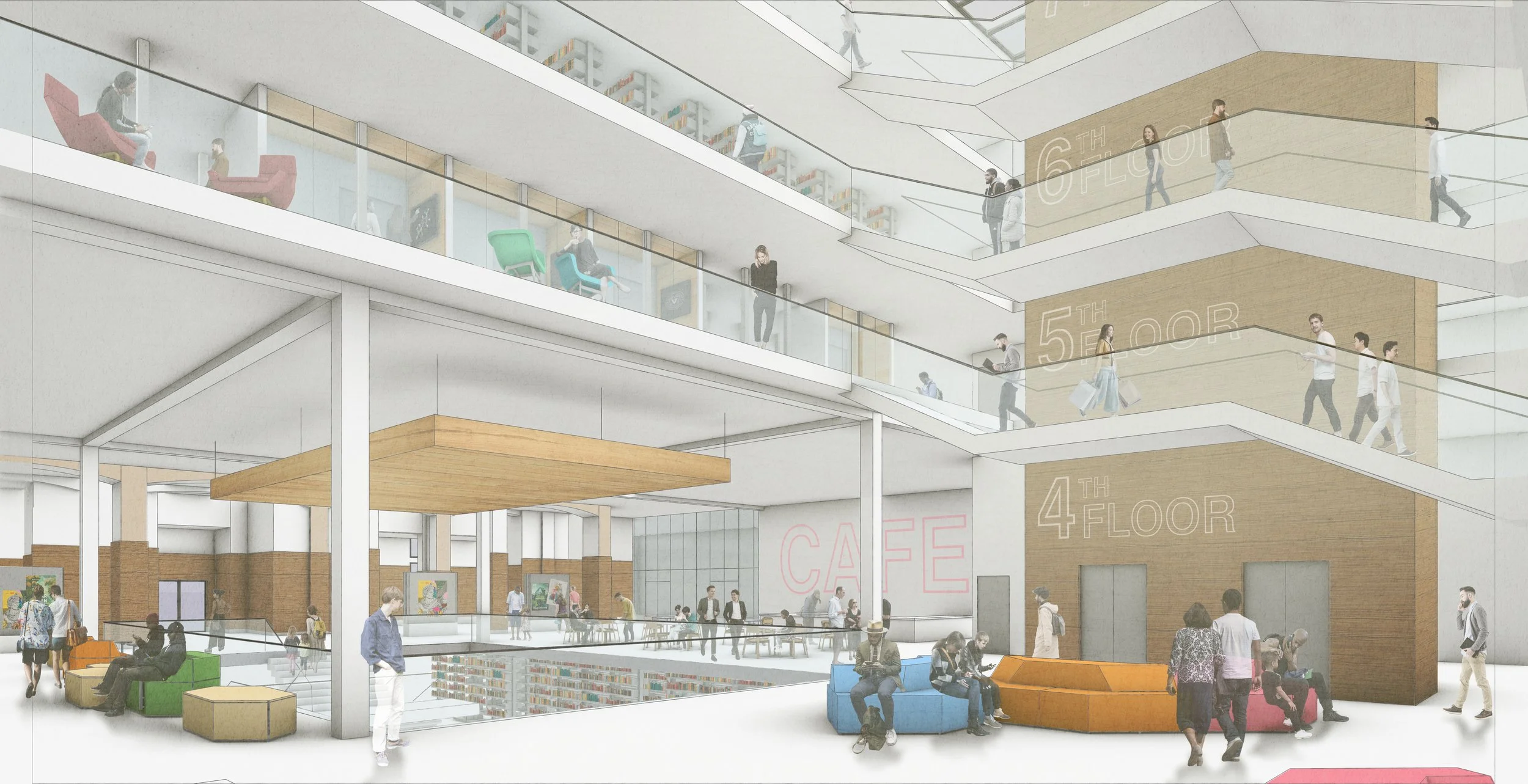
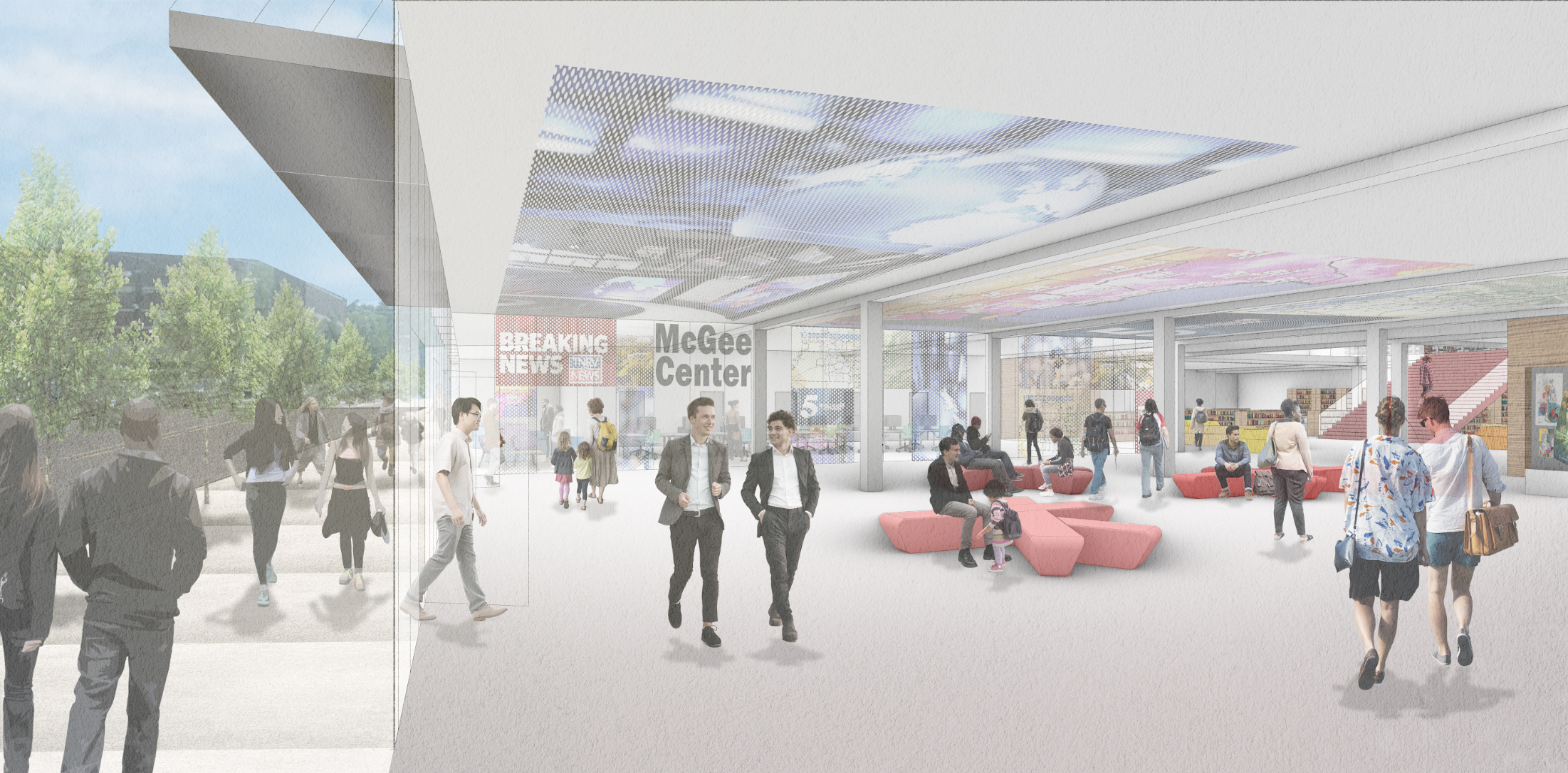
The scope of the master plan spanned 9 libraries in 7 different locations, which together make up the VU Jean and Alexander Heard Libraries system. This comprehensive and collaborative library master planning process has led to the development of recommended projects for each location with corresponding cost estimates and implementation plans. Through transformative renovations, each library is reorganized to include a variety of 21st century higher-ed library amenities, while simultaneously addressing deferred maintenance and building renewal. These proposed enhancements introduce efficiency and flexibility to outdated facilities and collectively position the library system to support the Vanderbilt community for the next 50 years.
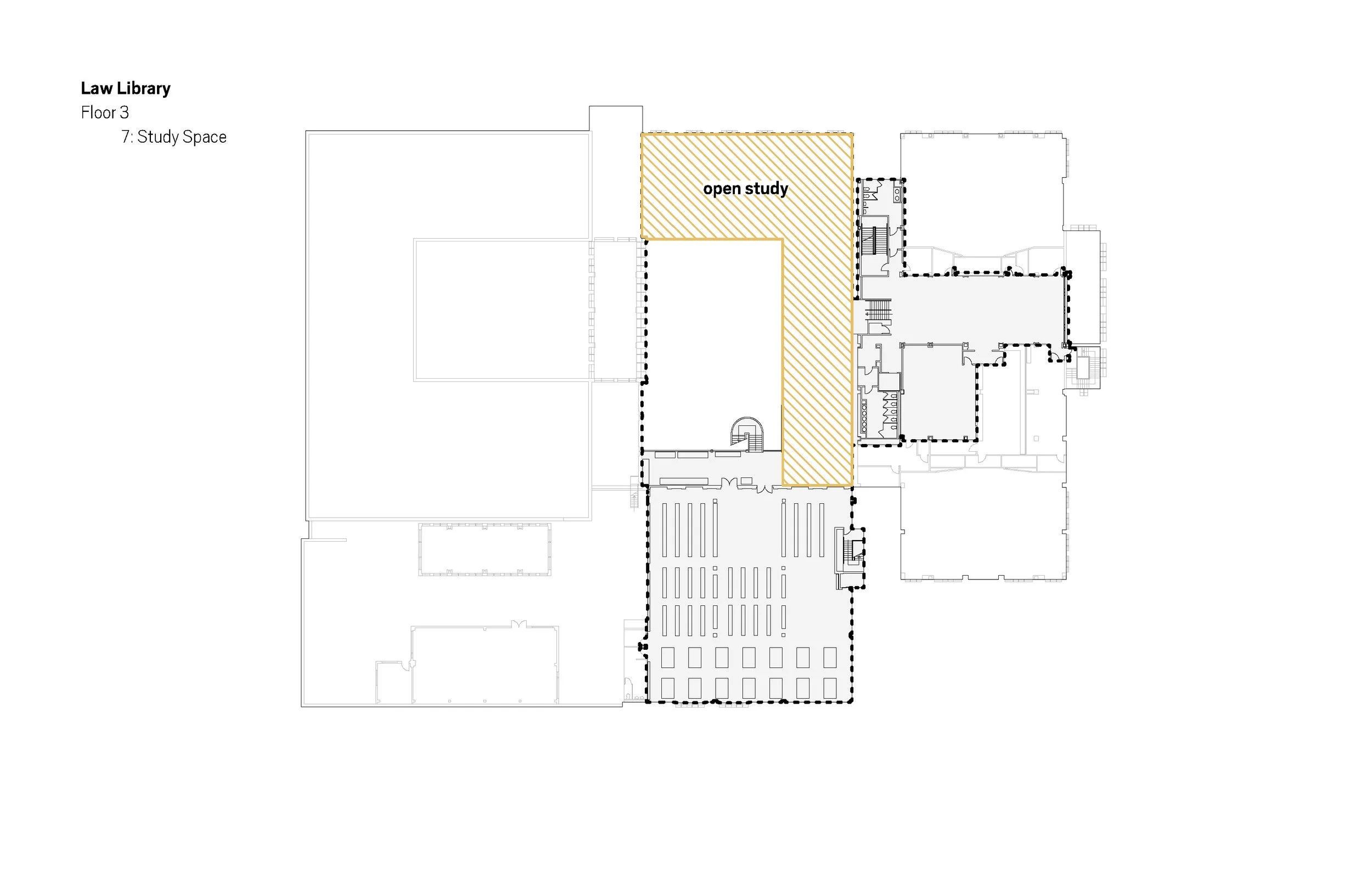
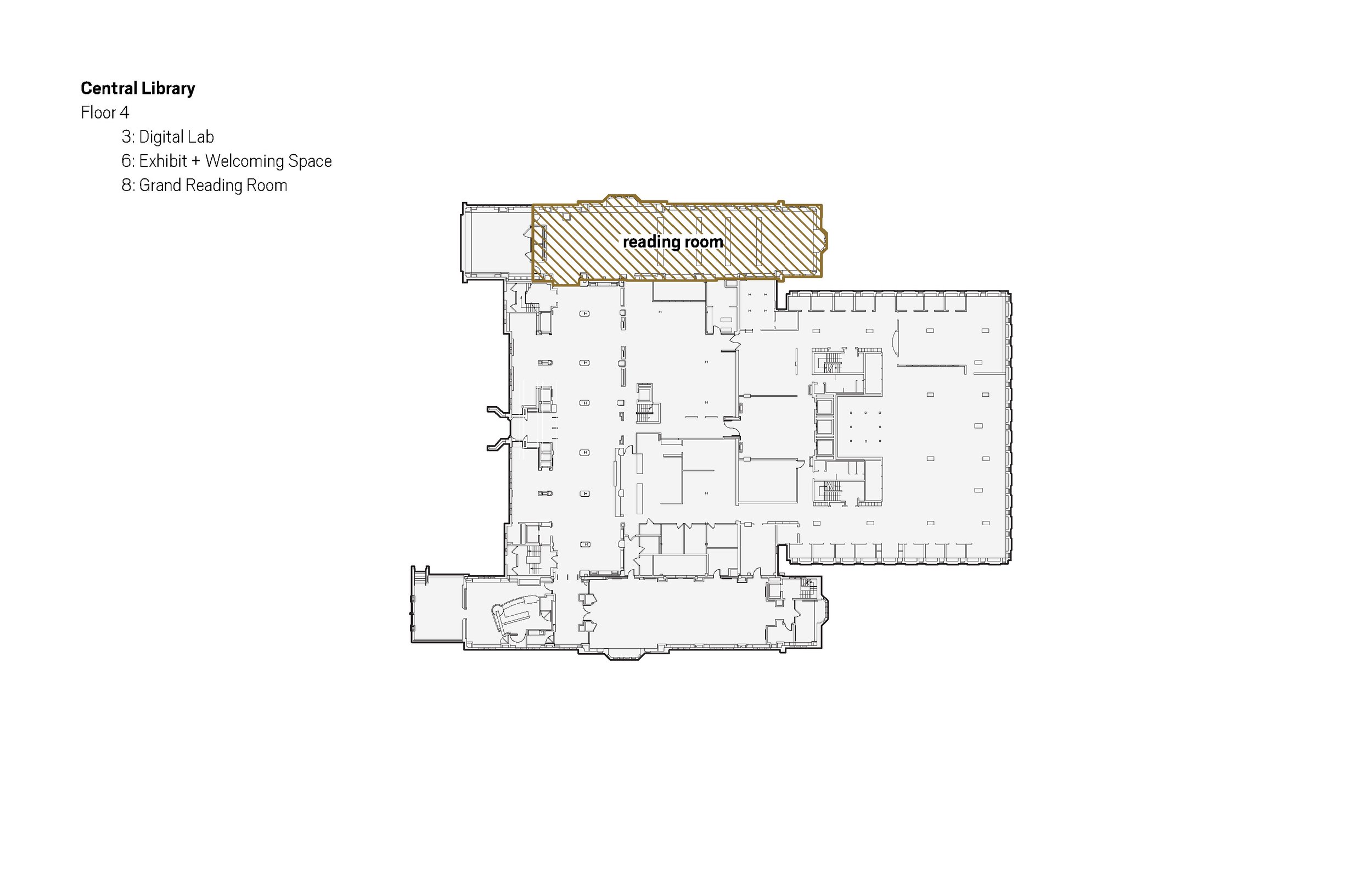
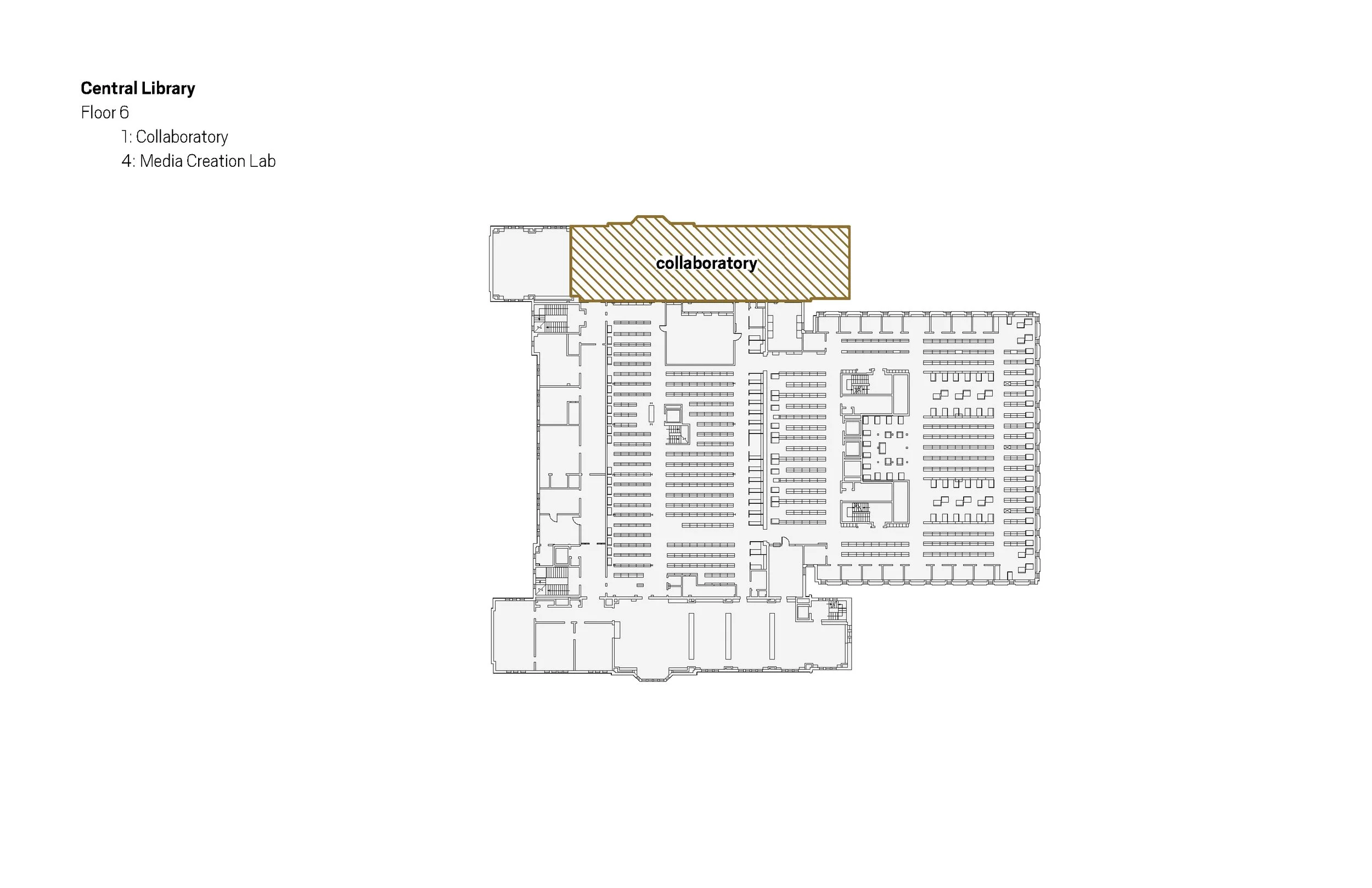
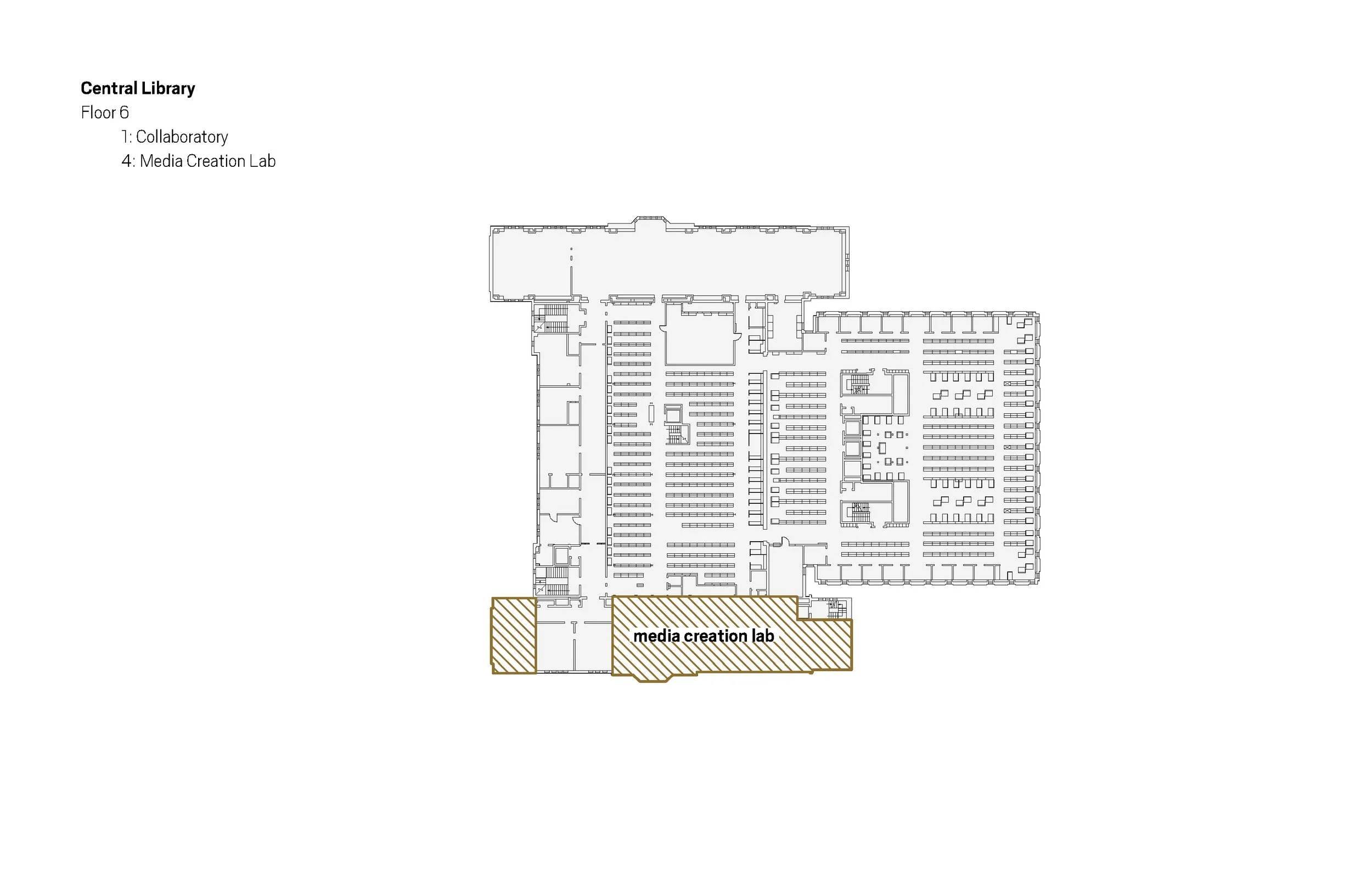
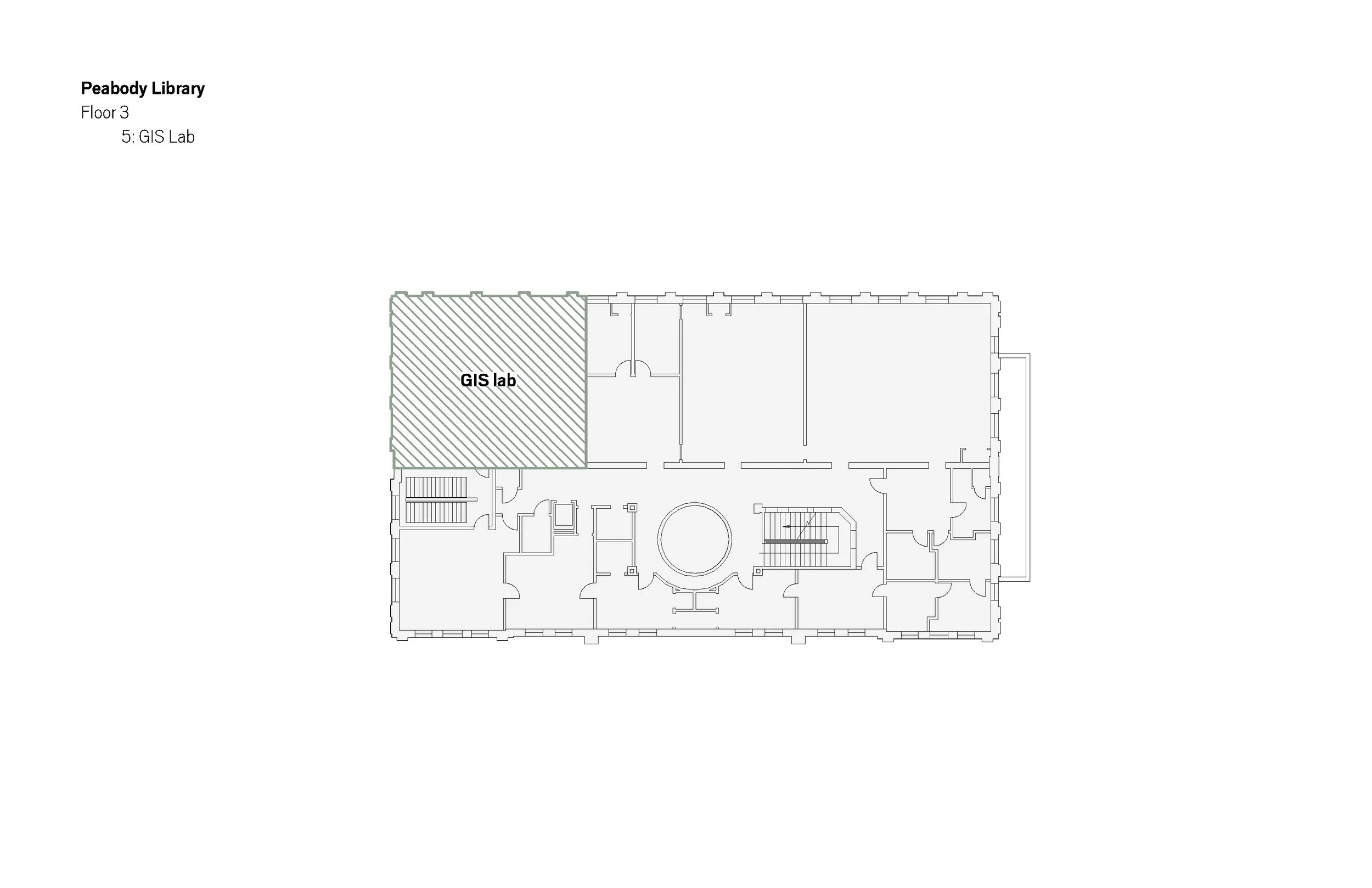
In addition, a series of priority projects was also identified to make short term change while budgets and fundraising are put in place for the larger capital investments. Priority projects include a new Collaboratory and Digital Lab in the Central Library, new GIS Lab in Peabody Library, and increased open space/user seating in the Law Library. Our process included building tours with library directors, focus groups with student representatives, faculty, staff and leadership, as well as in-place and online surveys, which reached over 400 participants.
-
Type: Master Plan
Status: Completed, 2024
master plan goals
Evaluate the library system as a whole, not as individual projects.
Place the library system in the context of peer institutions and benchmark performance.
Transform the physical spaces of each library to meet the mission and vision articulated in the Library Strategic Framework.
Recommend a series of projects and road map to position the Jean and Alexander Heard Libraries to best serve the Vanderbilt community well into the future. Emerging themes and program goals common among the libraries include:
Improve arrival sequence and wayfinding
Integrate a variety of teaching spaces within the library
Create flexible spaces that can support a variety of events and programs
Provide more individual and group study spaces and distribute throughout the libraries
Reconsider existing stack areas
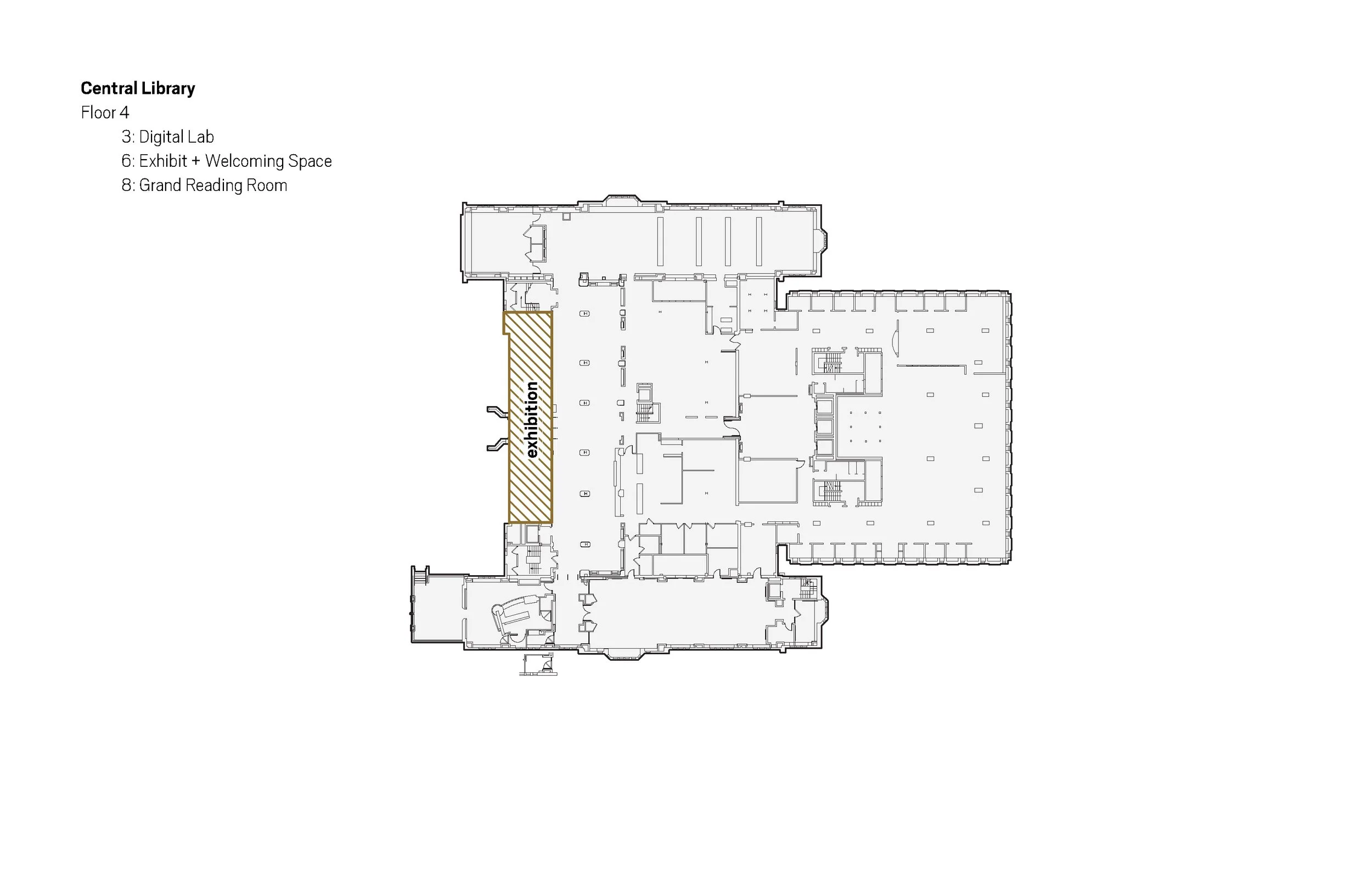
Incorporate engaging exhibition opportunities
Right-size and standardize staff accommodations
Address accessibility shortcomings
Include gender-neutral restroom facilities to stand-alone buildings